
Agentic AI Is Moving Fast. The Bigger Challenge Is Still Organisational Change.
Insights from the “Agentic AI & Technology: Shaping the Future of Innovation” networking event in London.
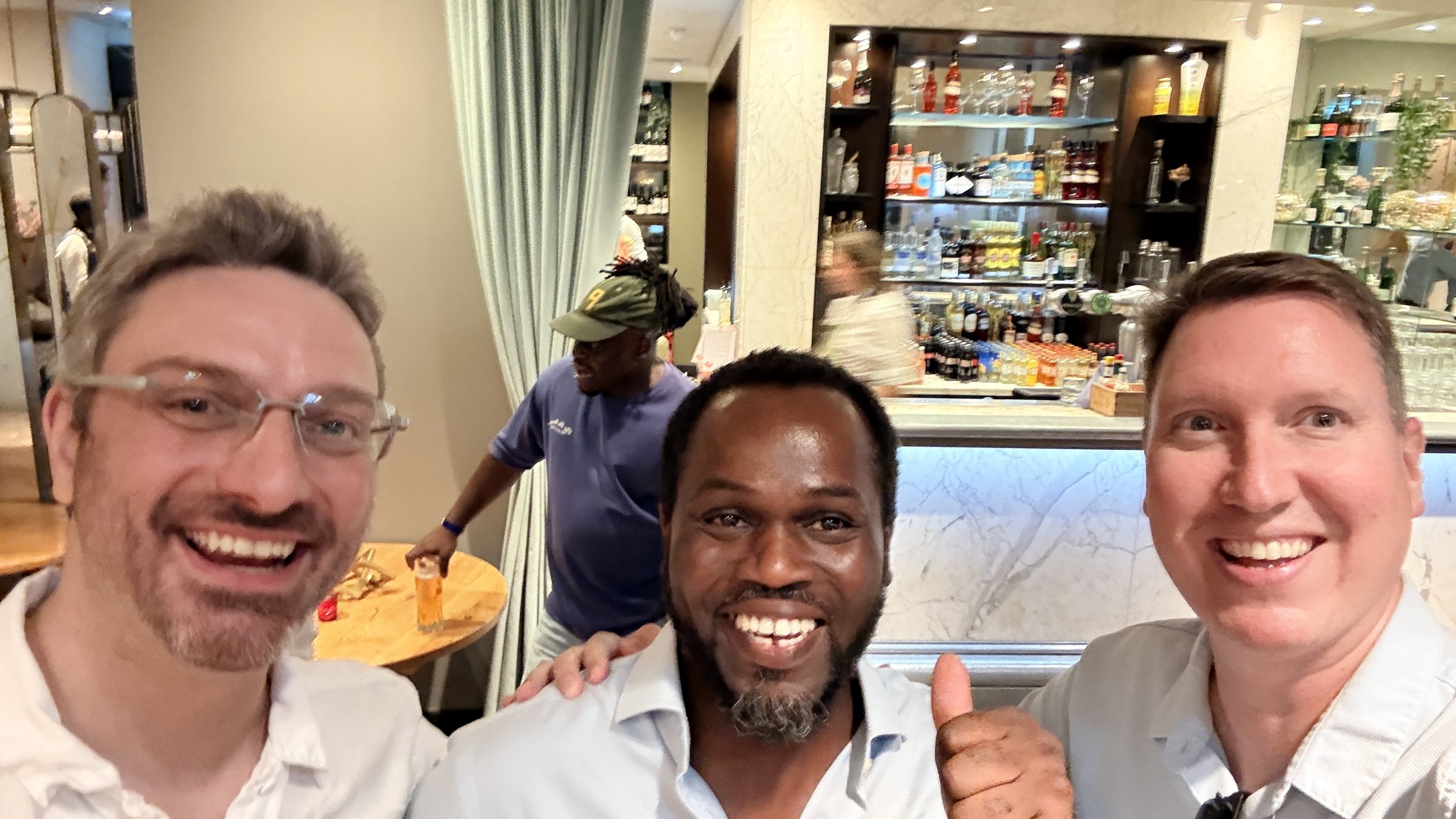
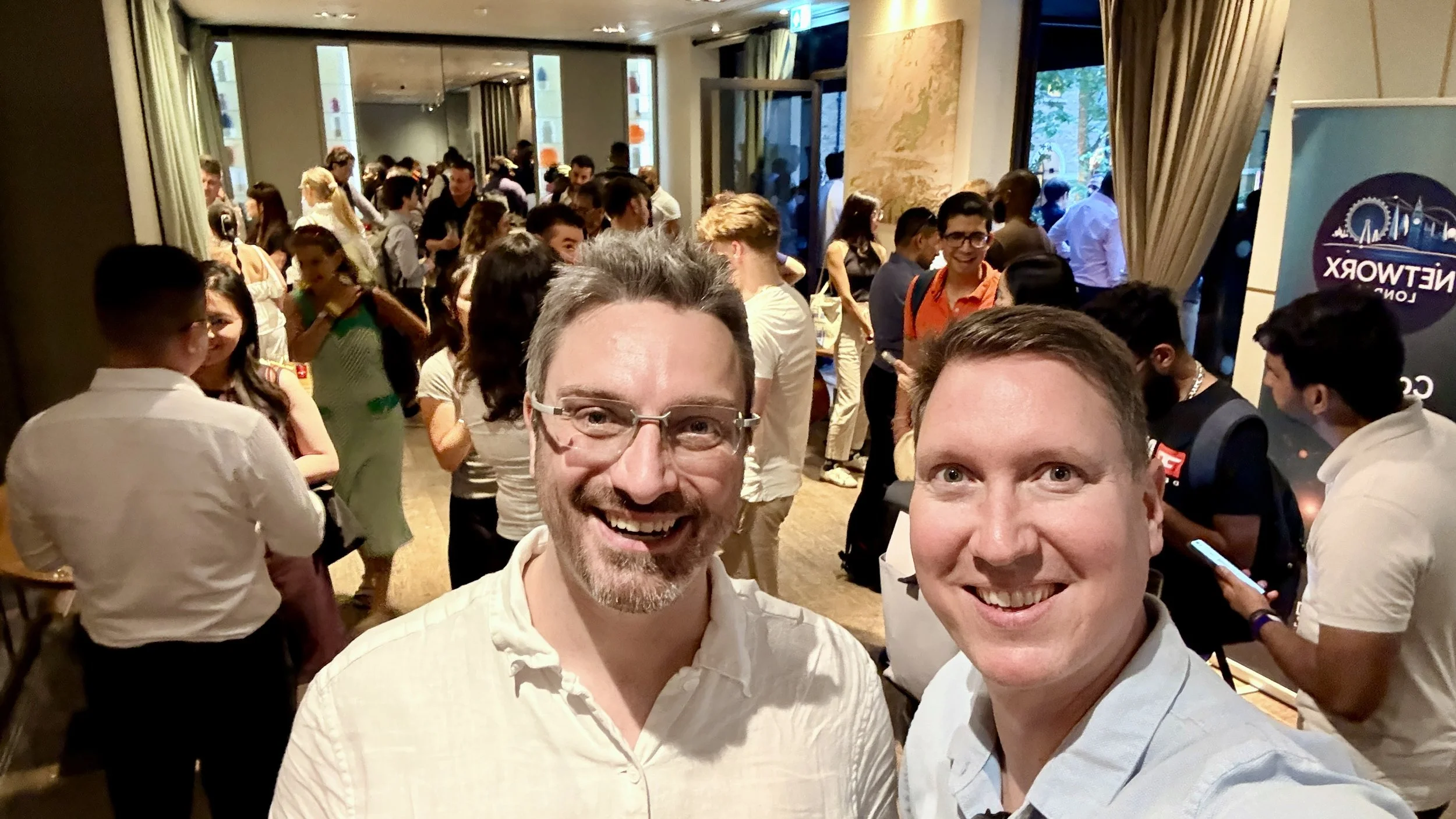
Last night we travelled into London to attend the Agentic AI & Technology: Shaping the Future of Innovation networking event. The room was full of founders, developers, consultants, investors and technology professionals, all discussing what many believe will be the next major shift in artificial intelligence.
As expected, much of the conversation centred around AI agents. Autonomous systems capable of carrying out tasks, making decisions and collaborating with other software are no longer theoretical. They’re already finding their way into businesses of every size.
But perhaps the most interesting part of the evening wasn’t the technology itself.
It was listening to how different people are approaching it.
Some attendees were building sophisticated AI products. Others were experimenting with internal workflows. Some organisations were already deploying agents into production, while many were still trying to understand where AI could create genuine value.
The diversity of perspectives highlighted something we see repeatedly when speaking to business leaders.
The challenge is rarely access to AI.
The challenge is knowing where it fits.
Technology Is No Longer the Limiting Factor
Over the last two years, the conversation has shifted dramatically.
Businesses no longer need to ask whether AI is capable enough. In many cases, it already is.
The harder questions are now organisational.
Which processes are actually worth automating?
Which decisions should remain human?
Where are the bottlenecks that AI can remove?
What data does the business actually trust?
How do teams adapt as work changes?
These aren’t technology questions.
They’re business questions.

The Capability Gap Is Becoming More Visible
One theme we continue to see is that organisations often want AI outcomes before building the capabilities required to support them.
Introducing AI into unclear processes simply accelerates the confusion.
Deploying agents into disconnected systems doesn’t suddenly create efficiency.
Without visibility across the organisation, alignment between teams and well-designed workflows, even the most capable AI will struggle to deliver sustainable value.
That’s why our conversations increasingly begin with understanding the business before discussing the technology.
The Value of Events Like These
Networking events are often judged by the number of business cards exchanged.
We see them slightly differently.
They’re an opportunity to hear how people are thinking, what challenges they are facing and where the market is genuinely moving.
Last night’s conversations reinforced something we’ve been discussing for some time.
The market is becoming more sophisticated.
Businesses are asking better questions.
The conversation is gradually moving beyond “What AI tool should we buy?” towards “How should our organisation evolve?”
That’s a much more valuable discussion.

Final Thoughts
Agentic AI will undoubtedly become an important part of many organisations over the coming years.
But technology alone won’t determine who benefits most.
The organisations that create lasting value will be those that redesign processes, build organisational capability and align people with new ways of working before simply adding more technology.
As always, the real transformation happens inside the business, not inside the software.